Ja, du kan sy en kjole som nybegynner - Her er hvordan du faktisk gjør det
Hvis du aldri har sydd et plagg før, kan det føles skremmende å lage en kjole – men det trenger ikke å være det. Det korte svaret er dette: Begynn med et enkelt A-linje- eller skiftkjolemønster vurdert for nybegynnere, velg et stabilt stoff som bomullspoplin eller lin, og ta det ett steg om gangen. De fleste nybegynnervennlige kjolemønstre kan fullføres på en enkelt helg, selv om du aldri har rørt en symaskin før. Nøkkelen er forberedelse - forstå verktøyene dine, stoffet ditt og noen få grunnleggende teknikker før du kutter et enkelt stykke.
Denne guiden leder deg gjennom alt: velge riktig mønster, velge stoff, forstå når og hvorfor du skal bruke interlining , klippe bitene dine, sy dem sammen, og fullføre kjolen din slik at den ser polert og profesjonell ut. Hvert trinn inkluderer spesifikke, praktiske råd – ikke vag oppmuntring.
Velg riktig mønster for din første kjole
Mønstervalg er der de fleste nybegynnere tar feil. De velger noe de elsker utseendet til – en utsmykket slirekjole med prinsessesømmer, eller en omslagskjole med en kompleks bodice – og forlater deretter prosjektet halvveis fordi det er altfor vanskelig. Motstå den impulsen.
Hva gjør et mønster "begynnervennlig"
Se etter mønstre som er eksplisitt merket med «Enkel», «Nybegynner» eller med en ferdighetsvurdering på 1 av 5 stjerner. Pålitelige merker for nybegynnere inkluderer Simplicity, McCall's og Butterick - som alle publiserer mønstre med detaljerte, trinnvise instruksjoner og store sømrom (vanligvis ⅝ tomme, eller omtrent 1,5 cm). Mønstre med færre enn 8 mønsterstykker er generelt det sikreste alternativet.
De beste kjolesilhuettene for nybegynnere inkluderer:
- A-linje kjole: blusser forsiktig fra midjen eller hoftene, tilgivende for passformproblemer
- Skiftkjole: rett silhuett, minimal forming, svært få deler
- Solkjole med elastisk midje: ingen glidelås nødvendig, enkel å justere
- Omslagskjole med knytelukking: justerbar passform, ingen kompliserte lukkinger
Les konvolutten før du kjøper
Hvert symønster kommer med en trykt konvolutt som forteller deg alt du trenger å vite. På baksiden finner du stoffkravene etter størrelse, anbefalte stofftyper, nødvendige begreper (glidelåser, knapper, strikk) og ferdige plaggmål. Sjekk alltid de ferdige målene - ikke bare størrelsesetiketten - fordi mønsterstørrelsen er annerledes enn den som er klar til bruk. En størrelse 14 i et Simplicity-mønster kan tilsvare en størrelse 18 i en klesbutikk.
Mål hele bysten, midjen og hoftene før du kjøper et mønster , og sammenlign deretter med mønsterets størrelsestabell. Hvis du faller mellom størrelser, klipp den større størrelsen og ta den inn - det er lettere å fjerne stoffet enn å legge det til.
Å velge riktig stoff - og hvorfor det betyr mer enn du tror
Stoffvalg kan gjøre eller ødelegge ditt første prosjekt. Glatt silke, stretchy jerseys og løst vevd sengetøy oppfører seg uforutsigbart under en nål – de skifter mens du klipper, strekker deg mens du syr og sliter i hver kant. Inntil du har bygget litt selvtillit, hold deg til stoffer som holder seg.
Beste stoffer for nybegynner kjolesøm
| Stoff | Hvorfor det fungerer for nybegynnere | Prisklasse (per yard) | Best for |
|---|---|---|---|
| Bomullspoplin | Stabil vev, strekker seg ikke, lett å presse | $5–$12 | Skiftkjoler, A-linjekjoler |
| Quiltende bomull | Stort utvalg av utskrifter, veldig nybegynnervennlig | $4–$10 | Uformelle solkjoler, barnekjoler |
| Lin (middels vekt) | Enkel å klippe og sy, vakker drapering | $8–$18 | Sommerkjoler, løse silhuetter |
| Chambray | Lett, myk, håndtak som bomull | $6–$14 | Skjortekjoler, uformelle stiler |
| Ponte strikk | Stabilt stretchstoff, sliter ikke | $9–$20 | Tilpassede strikkekjoler (med stretchmønster) |
Unngå chiffon, sateng, fløyel og alt som er merket "kun renseri" for ditt første prosjekt. Disse stoffene krever spesialiserte teknikker og verktøy du ikke trenger når du har bygget opp litt grunnleggende erfaring.
Forvask alltid stoffet
Før du klipper et enkelt stykke, vask og tørk stoffet på samme måte som du planlegger å vaske den ferdige kjolen. Bomull kan krympe opptil 10 % ved første vask – som betyr at en kjole som passer perfekt før vask kan være 2–3 tommer kortere etterpå. Forvask fjerner også lim (en avstivningskjemikalie brukt under produksjon) og hjelper stoffet til å oppføre seg mer naturlig når du syr det.
Hva er interlining og når bør nybegynnere bruke det
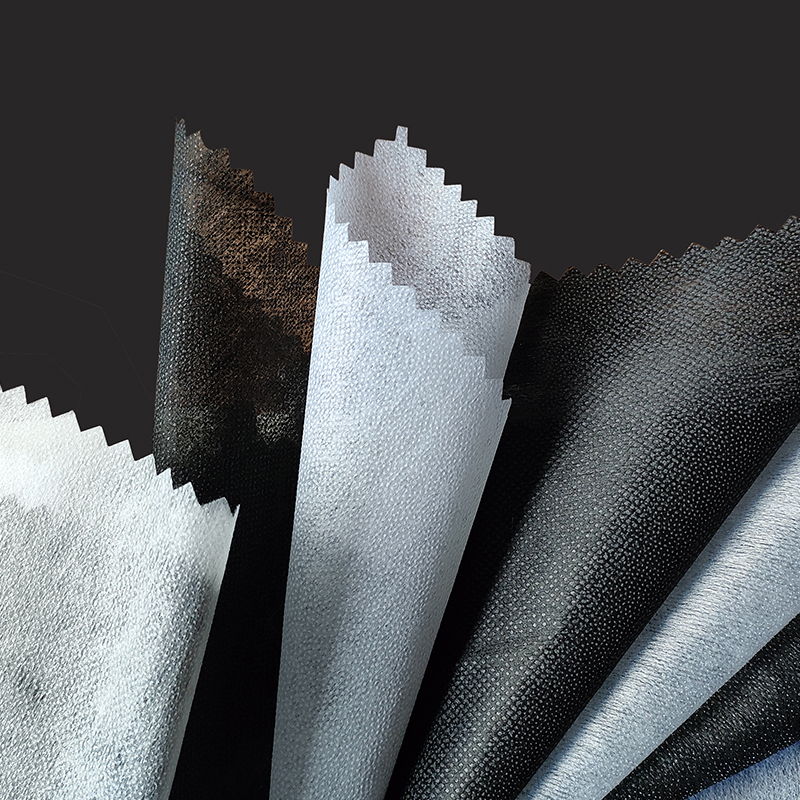
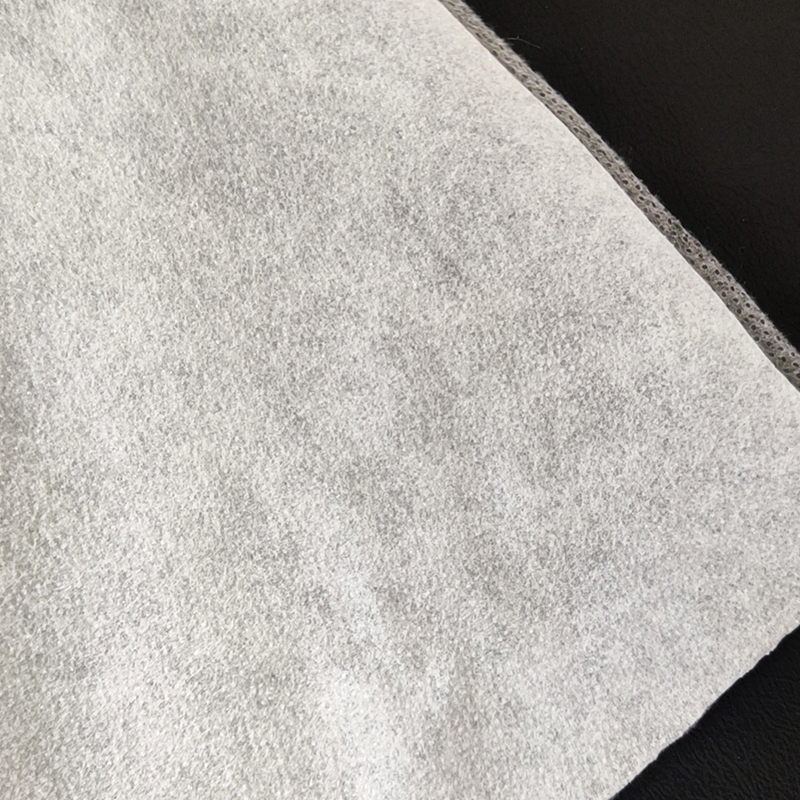
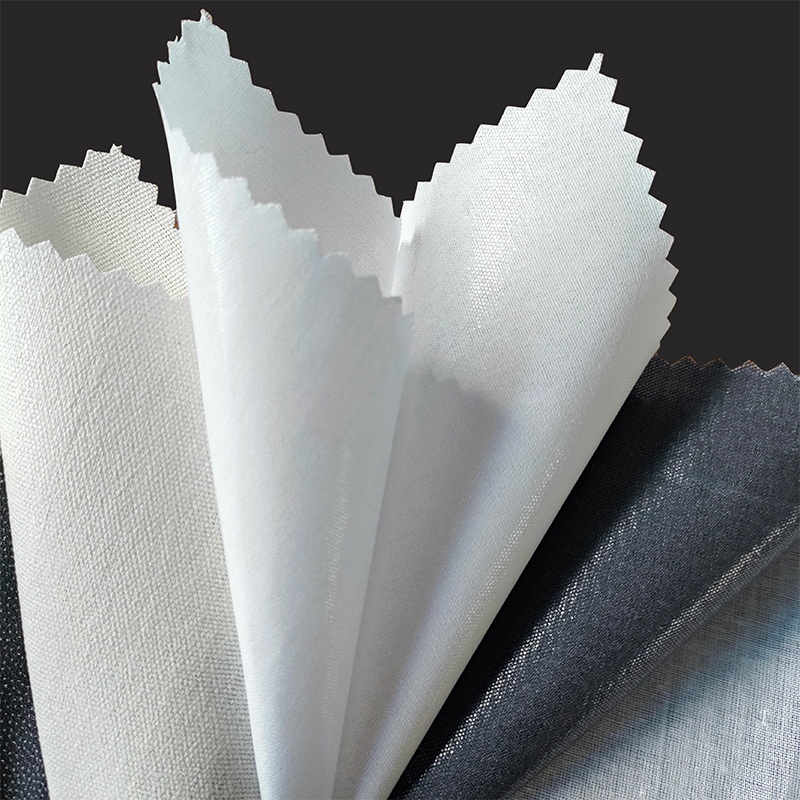
Et begrep som slår mange nybegynnere er interlining . Det høres teknisk ut, men konseptet er enkelt: interlining er et ekstra lag med stoff som er klemt mellom ytterstoffet ditt (motestoffet) og fôret til et plagg. Den brukes til å legge til struktur, varme, opasitet eller kropp – og å forstå når den skal brukes kan dramatisk forbedre kvaliteten på den ferdige kjolen din.
Mellomfôring vs. grensesnitt vs. fôr: Forstå forskjellen
Disse tre begrepene blir ofte forvekslet, selv av erfarne kloakk. Her er en klar oversikt:
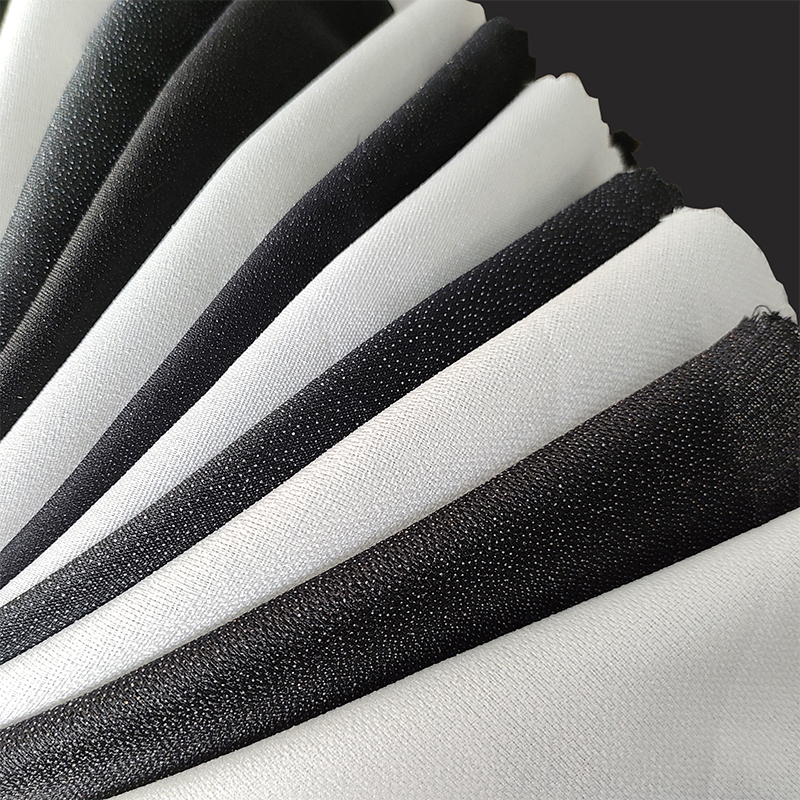
- Grensesnitt er et stivt eller halvstivt materiale (vanligvis smeltbart - betyr at det strykes på) som påføres spesifikke områder som krager, mansjetter, linninger og knappestolper for å legge til struktur og forhindre strekking. Det er målrettet, ikke fullt stykke.
- Fôr er et eget lag sydd inne i plagget, vanligvis av et glatt stoff som polyester eller silke charmeuse. Den dekker de rå sømmene, gjør kjolen lettere å ta av og på, og gir en polert finish.
- Interlining er et indre lag i hel stykke kuttet fra de samme mønsterdelene som motestoffet, deretter tråklet (midlertidig sydd) direkte på vrangsiden av ytterstoffet slik at de to lagene fungerer som ett. Fôret legges så på toppen av det mellomfôrede stoffet.
Tenk på det på denne måten: grensesnitt er flekkbehandling, fôr er den indre finishen, og mellomfôr er fyllingen i mellom.
Når du faktisk trenger interlining i en kjole
Interlining er ikke nødvendig for hver kjole - faktisk hopper de fleste uformelle nybegynnerprosjekter over det helt. Men det er situasjoner der bruk av et interlining-materiale gjør en betydelig forskjell i det ferdige resultatet:
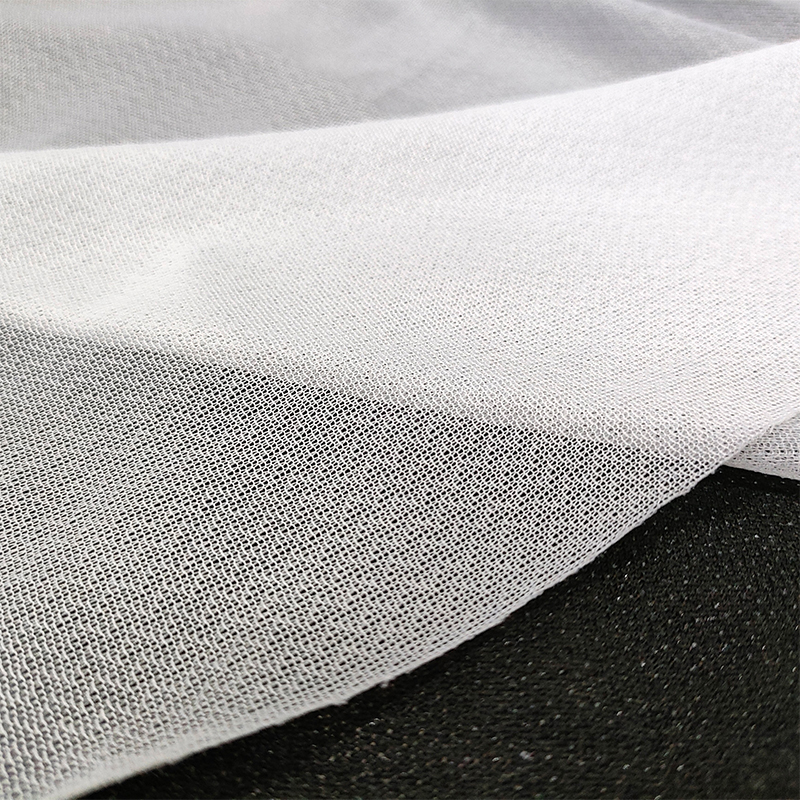
- Rene eller halvgjennomsiktige stoffer: Hvis ytterstoffet ditt er lett nok til å se gjennom - som en bomullsbind, voile eller løst vevd lin - gir et mellomfôr ugjennomsiktighet uten å endre hvordan kjolen ser ut fra utsiden. Et lag med tynn bomullsbatiste eller silkeorganza fungerer godt her.
- Strukturerte kropper: For en kjole som trenger å holde formen - som en figursydd bodice med en definert byste eller en strukturert utringning - gir interlining mer fylde og forhindrer at stoffet kollapser eller rynker seg. Skredderlerret eller bomullsmuslin er vanlige mellomfôringsvalg for dette formålet.
- Vinter- eller anledningskjoler: Å legge til et lag med myk flanell, børstet bomull eller lammeull mellomfôr til en formell kjole gir varme uten bulk. Denne teknikken brukes mye i couture og high-end brudeklær.
- Kjoler med dekorative stoffer som sliter kraftig: Noen motestoffer – spesielt løst vevd tweed eller åpenvevde teksturer – drar nytte av å tråkles til et stabilt mellomfôr før du syr, noe som forhindrer at stoffet forvrenges mens du arbeider med det.
Slik bruker du interlining: trinn for trinn
I motsetning til grensesnitt er interlining ikke smeltet sammen med stoffet – det er tråklet. Her er den grunnleggende prosessen:
- Klipp mellomforet fra de samme mønsterstykkene som motestoffet ditt, og match kornlinjene nøye.
- Plasser mellomfôret mot feil side av motestoffet, og juster alle kanter.
- Håndtråkle eller maskintråkle de to lagene sammen rundt kantene med en lang sting (ca. 3–4 mm). Hold deg ⅜ tomme fra kanten slik at tråklingen er skjult inne i sømmonnet.
- Fra dette tidspunktet og fremover, behandle de to lagene som et enkelt stykke stoff og sy kjolen din som anvist av mønsteret.
Noen kloakker også catch-stitch (en håndsøm som går frem og tilbake i et fiskebeinsmønster) mellomforingen til motestoffet langs brettelinjer - som piler - slik at lagene ikke forskyver seg eller bobler. Dette ekstra trinnet er valgfritt for nybegynnere, men gir et renere resultat.
Vanlige interlining-stoffer og hva de gjør
- Bomullsbatist eller plen: Lett, pustende, gir minimal bulk. Utmerket for rene stoffer.
- Silke organza: Stiv, men lett, tilfører struktur og kropp uten vekt. Vanlig i couture-bodies.
- Flanell eller børstet bomull: Tilfører varme. Fin til vinterkjoler eller frakkkjoler i tyngre stoffer.
- Bomullsmuslin: Rimelig, allsidig, stabiliserer løst vevde ytterstoffer.
- Lammeull eller domette: Tykk og myk, brukt i skreddersydde plagg eller kveldsplagg for å legge til en luksuriøs drapering og varme.
Som nybegynner er det mest sannsynlig at du møter interlining når du arbeider med en kjole som bruker gjennomskjært stoff eller når mønsteret ditt instruerer deg om å legge til struktur til en bodice. Hvis mønsteret ditt ikke nevner interlining, trenger du det nesten ikke for et uformelt første prosjekt.
Verktøyene du trenger før du begynner å kutte
Å ha de riktige verktøyene gjør det ikke bare enklere å sy – det gjør det mulig å sy nøyaktig. Du trenger ikke et dyrt oppsett, men noen få spesifikke elementer er ikke omsettelige.
Viktige verktøy for nybegynnere
- Stoffsaks: Bruk aldri papirsaks på stoff - de knuser fibrene i stedet for å kutte dem rent. Et godt par 8–10 tommers dressmakersakser (rundt $20–$40) utgjør en stor forskjell.
- Sømripper: Du vil gjøre feil. En sømklipper lar deg angre sømmen rent uten å skade stoffet. Kjøp to - du mister en.
- Målebånd: En fleksibel klut eller vinyl målebånd, minst 60 inches lang.
- Pinner eller klipp: Glasshodenåler for vevde stoffer; Wonder Clips for tykke eller lagdelte stoffer.
- Strykejern og strykebrett: Å trykke sømmer åpne eller til en side er en av de mest virkningsfulle tingene du kan gjøre for et profesjonelt resultat. Hopp aldri over å trykke.
- Stoffkritt eller merkepenn: For overføring av mønstermarkeringer som pilpunkter, hakk og kornlinjer.
- Symaskin: Enhver grunnmaskin med rettsøm og sikksakksøm fungerer. Brother, Singer og Janome lager alle pålitelige maskiner på startnivå for under $200.
Maskinnåler og tråder
Bruk en ny nål for hvert prosjekt - en sløv nål forårsaker sømmer som hoppes over, haker og rynkede sømmer. For kjoler i bomull eller lin, bruk en universalnål i størrelse 80/12 eller 90/14. Tråden skal matche stoffet så godt som mulig; polyestertråd fungerer på nesten alle stofftyper og tåler vask.
Slik skjærer du mønsterdelene dine nøyaktig
Kutting er uten tvil det viktigste trinnet i hele syprosessen. Unøyaktig klipping fører til sømmer som ikke passer sammen, kjoler som ikke passer og frustrasjon som sender folk bort fra å sy for alltid. Gi deg selv god plass – ideelt sett et stort flatt bord – og ta deg god tid.
Forberede og trykke på mønsteret
Silkepapirmønstre kommer brettet og ofte krøllet. Før du skjærer, trykk mønsterdelene med et tørt strykejern på den laveste innstillingen for å flate dem. Brettede mønsterstykker ligger ikke flatt mot stoffet, noe som fører til unøyaktige kutt. Hvis du er bekymret for å skade vevet, legg en tynn klut mellom strykejernet og papiret.
Kornlinjen er ikke valgfri
Hvert mønsterstykke har en kornlinje - en trykt pil som forteller deg hvordan du justerer stykket på stoffet. Kornlinjen skal være parallell med stoffets kant (den ferdige kanten). Hvis du ignorerer kornlinjen og skjærer stykker skjeve, vil kjolen vri seg på kroppen din, henge ujevnt eller trekke i lite flatterende retninger. Bruk en linjal til å måle like avstander fra kornlinjepilen til kanten i begge ender for å sikre at den er virkelig parallell før du fester den.
Klippetips som gjør en forskjell
- Bruk mønstervekter (eller suppebokser) i stedet for nåler for å holde mønsterstykkene på plass mens du skjærer - dette er raskere og mer nøyaktig enn å feste.
- Klipp med lange, jevne strøk i stedet for korte hakkete – du får renere kanter.
- Klipp hakk utover (bort fra stoffet), ikke innover - hakk er de små trekantede merkene på mønsterkantene som hjelper deg med å justere bitene når du syr.
- Overfør alle mønstermarkeringer – pilepunkter, midtlinjer, lommeplasseringer – til stoffet før du fjerner mønsterdelene. Bruk kritt, en merkepenn som blekner med luft eller vann, eller små håndtrådede trådmerker.
Sy kjolen sammen: en trinnvis oversikt
Hvert mønster kommer med sin egen spesifikke syrekkefølge, og du bør alltid følge den rekkefølgen. Mønstrene er konstruert slik at du enkelt kan få tilgang til hver søm - hopp over et trinn og du ender opp med å prøve å sy i et rør. Når det er sagt, her er den generelle sekvensen for de fleste enkle kjoler:
Trinn 1: Sy pilene
Dart er foldede, sydde trekantede former som skaper tredimensjonale kurver - vanligvis ved bysten, midjen og ryggen. Sy fra den brede enden mot punktet og sy av kanten av stoffet på spissen, og etterlater en 3-tommers trådhale. Knyt halene av i stedet for baksting - baksting ved et pilpunkt skaper en liten klump. Press bysten piler nedover; trykk midjepiler mot midten av plagget.
Trinn 2: Bli med bodice-stykkene
For en todelt bodice (foran og bak), sy skuldersømmene først, deretter sidesømmene. Match hakk nøye. Press hver søm åpen eller til en side som anvist av mønsteret ditt før du går videre til neste trinn - å trykke mens du går er det som skiller en håndlaget kjole fra en profesjonelt ferdig.
Trinn 3: Konstruer skjørtet
Fest skjørtet foran til skjørtet bak i sidesømmene. Hvis skjørtet er rynket, kjør to parallelle linjer med lange tråklesting (3–4 mm) langs den øvre kanten av skjørtstykkene, mellom hakkene, før du rynker. Trekk forsiktig i undertrådene for å samle stoffet jevnt, fordeler fylden slik at den passer med lengden på livdelens midjekant.
Trinn 4: Bli med Bodice and Skirt
Med rettsidene sammen fester du skjørtet til bolen ved midjesømmen, matchende sidesømmer og eventuelle hakk. Sy med det rynkede skjørtet på toppen slik at du kan kontrollere fylden - hvis du syr med den rynkede siden ned, kan transportørene flytte rynkene ujevnt. Press sømmen mot overdelen.
Trinn 5: Installer glidelåsen eller lukkingen
For de fleste nybegynnerkjoler brukes en sentrert eller usynlig glidelås midt bak eller sidesømmen. Usynlige glidelåser er penere, men krever en spesiell trykkfot. Hvis mønsteret ditt krever en sentrert glidelås, følg instruksjonene nøyaktig - glidelåsinstallasjon er der mange nybegynnere sliter, men teknikken blir rask og intuitiv med trening.
Som et alternativ bruker mange nybegynnermønstre et elastisk midjeomslag i stedet for en glidelås - dette er et godt valg hvis du vil unngå lukking helt på ditt første prosjekt.
Trinn 6: Fullfør halsen og ermehullene
Disse buede kantene må etterbehandles rent. Alternativene inkluderer skråtape (en stoffremse som vikler seg rundt den rå kanten), en forside (et separat stykke stoff sydd rett mot høyre, deretter snudd til innsiden), eller en smal rullekant. Bias tape er det enkleste for nybegynnere; facings gir det reneste resultatet når du har trent noen ganger.
Trinn 7: Hem kjolen
Ta på deg kjolen og få noen til å markere kantlinjen med kritt eller nåler mens du bruker de typiske skoene dine. En kjolekant er sjelden perfekt selv når den måles fra gulvet - holdningen din, stoffets drapering og subtile forskjeller i konstruksjon betyr at du må sjekke det på kroppen din. Tillat minst 1,5 tommer hem-godtgjørelse for en enkel snudd fald. Press falden opp, tråkle den på plass, og sy deretter enten med maskin (ved å bruke en blindsøm eller rett toppsøm) eller for hånd med en slipsøm for en usynlig finish.
Etterbehandling av sømmer slik at kjolen din varer
Rå, uferdige sømmonn vil frynse seg i vask og – over tid – svekke plagget fra innsiden og ut. Å fullføre sømmene er et ikke-omsettelig trinn, selv på enkle prosjekter.
Metoder for etterbehandling av søm for nybegynnere
- Sikksakksøm: Den enkleste metoden hvis du har en standard symaskin. Sy en sikksakk langs hver rå kant av sømmonnet. Ikke den vakreste finishen, men veldig effektiv.
- Serger/overlocker: Hvis du har tilgang til en serger, trimmer og fullfører den sømmen i ett pass. Dette er standarden i kommersiell plaggproduksjon.
- Rosa saks: Saks med sikksakkblad som kutter en dekorativ kant og sakte frynsing. Best for tettvevde stoffer som bomullspoplin.
- Fransk søm: En teknikk hvor de rå kantene er innelukket inne i selve sømmen. Ser vakkert rent ut og passer for lette stoffer i rette sømmer.
- Hong Kong sømfinish: Bias tape brettet rundt hver rå kant og sydd ned. Arbeidsintensiv, men elegant — en teknikk verdt å lære for anledningskjoler.
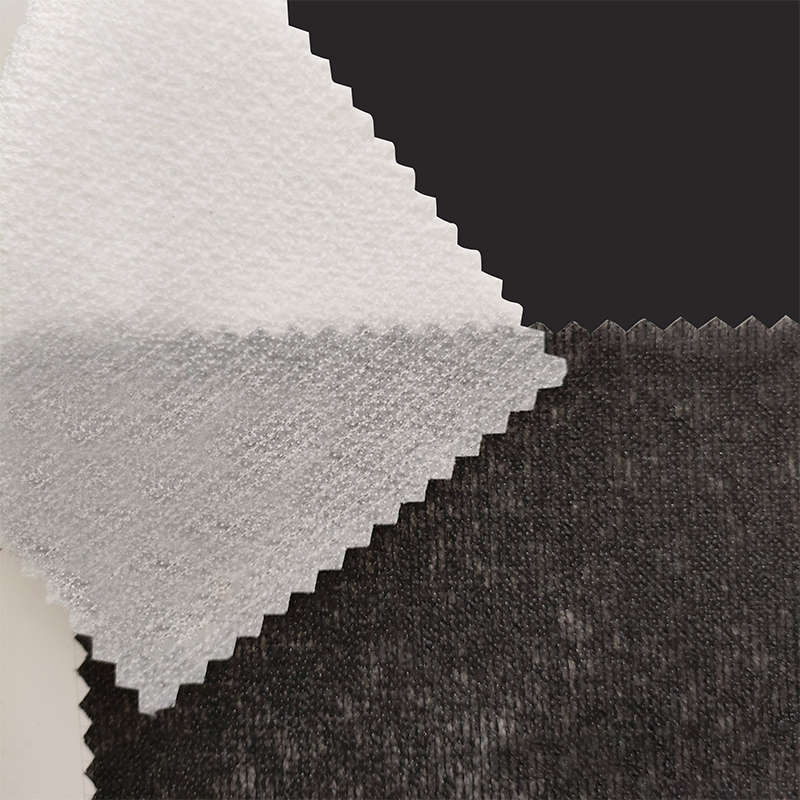
Legge til et fôr til kjolen din - og om du bør
Et fôr gjør en kjole mer behagelig mot huden, skjuler den indre konstruksjonen (inkludert eventuelt mellomfôr du har lagt til), forhindrer at ytterstoffet fester seg og forlenger plaggets levetid ved å beskytte motestoffet mot kroppsoljer og svette. For formelle, strukturerte eller rene kjoler er et fôr nesten alltid verdt det ekstra arbeidet.
For en enkel nybegynnerkjole i ugjennomsiktig bomull er fôr valgfritt. Hvis du jobber med et gjennomskjært stoff og har lagt til et mellomfôrlag for opasitet, vil du at fôret skal dekke det mellomfôret og gi innsiden av kjolen en ren finish. Vanlige fôrstoffer inkluderer polyesterfôr (billig og allment tilgjengelig), Bemberg rayon (pustende, vakker drapering, litt dyrere) og bomullsbatist (bra for barnekjoler eller plagg som brukes i varmt vær).
Fôret er vanligvis konstruert som et separat "skall" ved hjelp av de samme mønsterdelene (minus eventuelle sømrom ved falden), og settes deretter inn i kjolen med vrangsidene vendt. De to lagene er sammenføyd ved utringninger, ermhull og linninger, men henger fritt ved falden.
Vanlige feil nybegynnere gjør (og hvordan unngå dem)
De fleste nybegynnerfrustrasjoner kommer fra en håndfull forutsigbare problemer. Å kjenne dem på forhånd gir deg en reell fordel.
Skipping the Muslin (testplagg)
En muslin er en grov testversjon av kjolen din, sydd i billig stoff før du skjærer inn i ditt gode materiale. Erfarne kloakker lager musliner til nesten hvert plagg de syr. For en nybegynner er det enda viktigere å lage en muslin — du får øve på konstruksjonssekvensen, identifisere tilpasningsproblemer og gjøre justeringer før du forplikter deg til det virkelige stoffet. Billig bomullsmuslin koster rundt $2–$4 per yard, og tidsinvesteringen er alltid verdt det for et komplisert eller dyrt prosjekt.
Trykker ikke mens du går
En studie av plaggkonstruksjon på ethvert profesjonelt nivå vil fortelle deg det samme: pressing er halvparten av å sy. Sømmene som er presset opp eller til siden ligger flatt og skaper et skarpt finish. Sømmer etterlater upressede bulker og forvrenger stoffet rundt dem. Press hver søm før du syr en ny søm over den.
Bruk av feil stinglengde
Standard stinglengde på de fleste maskiner er 2,5 mm – dette passer for de fleste vevde kjolestoffer. Bruk en lengre søm (3–4 mm) for tråkling (midlertidig søm), så er den lett å fjerne. Bruk aldri den lengste stinginnstillingen for permanente konstruksjonssømmer - sømmene vil være for løse og kan trekke seg ut under belastning.
Strekk stoffet mens du syr
La maskinens transportører gjøre jobben. Mange nybegynnere griper stoffet bak nålen og trekker litt — dette strekker til og med stabile vevde stoffer og forårsaker bølgete, forvrengte sømmer. Før stoffet forsiktig fra sidene i stedet for å trekke det.
Ignorer tilpasningsjusteringer til slutten
Prøv kjolen på flere konstruksjonsstadier - etter at overdelen er satt sammen, etter at du har festet skjørtet, før du feller den. Å fange et passformproblem tidlig betyr å gjøre en enkel justering; å fange det på slutten betyr å fjerne timer med arbeid. Bruk tråklesting (lange sting som er enkle å fjerne) for sømmer du planlegger å passe-sjekke før du avslutter permanent.
Hvor lang tid tar det egentlig å sy en kjole som nybegynner
Realistiske forventninger betyr noe. Mange online tutorials får kjolesøm til å se raskt ut - og for erfarne kloakk kan det være det. Men som nybegynner, ta hensyn til tid for å lese instruksjoner, feste nøye, lese instruksjoner på nytt, fjerne feil og trykke på hvert trinn.
| Prosjekttype | Beregnet tid (nybegynner) | Estimert tid (mellomliggende) |
|---|---|---|
| Enkel sundress med elastisk midje | 4–6 timer | 1,5–2,5 timer |
| A-linje kjole med glidelås | 6–10 timer | 2,5–4 timer |
| Skiftkjole med ansikt | 5–8 timer | 2–3 timer |
| Kjole med fôr og mellomfôr | 10–16 timer | 4–6 timer |
Disse estimatene forutsetter at du jobber ut fra et tydelig nybegynnermønster. Mer komplekse prosjekter - de som krever interlining, full foring og strukturerte karosserier - tar naturligvis lengre tid selv for mellomkloakk. Ikke forhast deg. Målet med den første kjolen din er å fullføre den og lære av prosessen, ikke fart.
Anbefalte nybegynnerkjolemønstre som er verdt å begynne med
I stedet for å la deg søke gjennom hundrevis av mønstre, er her noen konsekvent roste alternativer som nybegynnere fullfører med hell:
- Enkelhet 8998: En løs, avslappet kjole med flere variasjoner, vurdert som "Easy". Utmerket for et første prosjekt.
- McCalls M7351: Enkel skiftkjole med minimal passform. Rene linjer, flott for å trene rette sømmer.
- Grainline Studio Alder skjortekjole: Et indiemønster med eksepsjonelle instruksjoner. Litt mer avansert, men veldig godt skrevet — mange nybegynnere lykkes med det.
- Butterick B6453: Et strikket kjolemønster for de som vil jobbe med jerseystoffer. Vurdert som enkel, ingen glidelås nødvendig.
- Hjort og Doe Magnolia: Et populært fransk indiemønster (tilgjengelig på engelsk) med et nydelig skjørt og tydelige nybegynnerinstruksjoner.
Uansett hvilket mønster du velger, les gjennom hele instruksjonsarket før du kutter et enkelt stykke. Å forstå hele byggeprosessen før du begynner gjør hvert trinn mindre overraskende og hjelper deg å unngå kostbare feil.
Tips som faktisk utgjør en forskjell i det ferdige resultatet
Utover de tekniske trinnene, skiller noen få vaner kjoler som ser håndlaget ut fra de som ser profesjonelt sydde ut:
- Klype og hakk buede sømrom etter sying. Klipp inn i kurver innover (konkave) og hakk utover kurver (konvekse) slik at sømmen ligger flatt når den dreies. Uten dette trinnet, buede sømmer - som halskanter og ermehull - rynker og trekker.
- Bruk en skredderskinke når du trykker på buede sømmer og piler. En skredderskinke er et fast, puteformet presseverktøy som etterligner kroppens kurver. Trykking av en buet søm over en skinke setter formen inn i stoffet, og gir plagget en tredimensjonal kvalitet som flatpressing ikke kan oppnå.
- Undersøm facings og halskanter. Etter at du har festet en belegg, klipp og klipp sømmonnet, sy deretter en rad med sømmer på belegget veldig nær sømmen - dette er undersøm. Den trekker fronten mot innsiden slik at den ikke titter ut i halsen. Det tar 90 sekunder og utgjør en dramatisk forskjell.
- Trim sømmonn i hjørner og kryss for å redusere bulk. Overalt hvor to sømmer krysser hverandre, eller hvor et hjørne må snus, trim bort det ekstra stoffet i sømmonnene før du snur. Dette forhindrer klumpete, tykke punkter.
- Foreta alltid en siste pressing av hele det ferdige plagget før du prøver den eller legger den bort. En godt presset kjole ser dramatisk mer profesjonell ut enn en med rynkete sømmer og en slapp kant.